




 Sign in

A lasting home for Robert Palmer's catalogue and image
Publishing, masters and name, image and likeness rights were consolidated under a single partner by a 23 September deal, with the estate aiming to reach new listeners as well as fans already familiar with the songs.
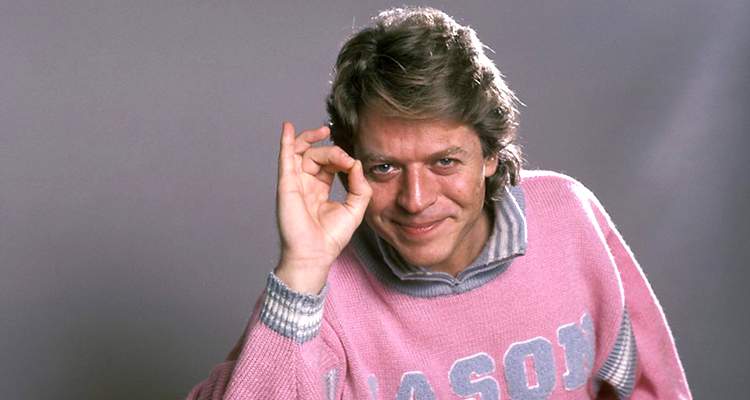
The estate of Robert Palmer and Primary Wave Music are now partners across the late singer's publishing and recording catalogues and his name, image and likeness rights. The agreement, announced on 23 September, places those rights in a shared arrangement intended to preserve and expand the work for new and existing audiences. No financial terms have been disclosed.The estate stated: "We are very excited to partner with Primary Wave. As we continue to honor Robert’s incredible legacy, we also look forward to working with the team on exploring ways to bring his music to both new and existing audiences, preserving his lasting impact for years to come."
Primary Wave will share in the rights across Palmer's body of work, including tracks from Riptide and collaborations such as The Power Station.
A career that refused a single lane
Palmer, who died on 26 September 2003, built his reputation on a powerful, soulful voice and a stylistic range few of his peers matched. Over four decades he moved between soul, funk, jazz, rock, pop, reggae and blues, treating each as a tool rather than a fixed identity. The debut album Sneakin' Sally Through the Alley arrived in 1974. Pressure Drop followed in 1975, then Some People Can Do What They Like in 1976, Double Fun in 1978 and Secrets in 1979. Clues appeared in 1980 and the live album Maybe It's Live in 1982.
The commercial high point still most often attached to his name came with Riptide in 1985. That record carried 'Addicted to Love', the single whose accompanying video came to epitomise the glamour and excesses of the 1980s. 'Simply Irresistible' and 'Bad Case of Loving You (Doctor, Doctor)' were part of the same run of hits that took him far beyond the club and soul audiences who had followed the earlier Island records. He recorded fourteen studio albums and three live albums in total. His final studio album, Drive, was released in 2003, the year of his death.
He also joined The Power Station, the collaboration the estate cites among the rights now shared. For many listeners the mid-1980s singles remain the front door; the earlier Island albums are the deeper seam — leaner, closer to funk and reggae rhythms, less dressed for the video age. The partnership takes in the whole run, not only the radio staples.
After his death the catalogue did not fall silent. Compilations such as The Very Best of the Island Years in 2005 kept the first chapter in print. Later editions returned to individual albums, and single releases drawing on his performances have continued to appear into the 2020s. The work was already in motion. What the estate has done is hand the next phase to one partner.
What the partnership changes
The shift is one of focus. Publishing, recordings and name, image and likeness rights now sit together rather than in separate channels. The estate's statement is plain about the goal: reaching new listeners as well as those who already know the songs, and building a legacy measured across years. No specific reissue programme, campaign or screen project has been named. The public record stops at the partnership and the intention behind it.
That remains a material change for a body of work this wide. Palmer's records already crossed genres and decades; the practical question after 23 September is how cleanly those records, the image that sold them and the songs themselves can travel together. Primary Wave and the estate have answered by putting the rights in one place. What they build on that ground has not yet been set out. No further dates or titles have been announced.