

Bowie's rare 1996 self-portrait heads for the hammer
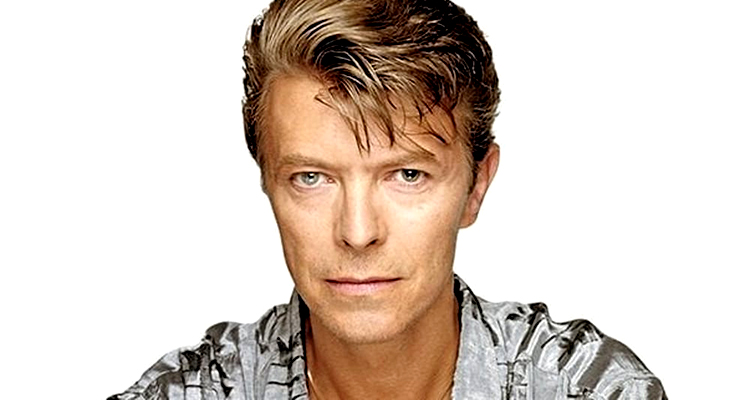
Painted on paper and bearing two handprints pressed into the surface, the piece carries an estimate of £35,000 to £55,000 when Sotheby's offers it in London on 15 October.
A self-portrait David Bowie painted in 1996 is to appear at auction for the first time next week. Sotheby's will offer the work in its Modern British and Irish Art Day Auction in London on Thursday 15 October, with an estimate of £35,000 to £55,000.The piece was created on paper during a prolific stretch of painting in the mid-1990s. It shows Bowie's likeness with two handprints pressed into the sheet. It has remained in the same private collection since he gave it to his St Ives gallerist and has not previously been offered for sale.
Sotheby's described the work as one of the most striking and personal self-portraits by Bowie ever to come to auction, noting its direct gaze, vivid colours and commanding presence. Only two of his self-portraits have previously reached the auction room.
Eight portraits from a London series
Kate Chertavian, Bowie's long-time art adviser, said the piece gives a rare glimpse of Bowie as a visual artist. He painted a series of eight self-portraits in London, she recalled, sometimes at her house. The auction house added that very little has been published about Bowie's painting practice, and that no catalogue raisonné exists for this side of his work.
That thin published record is central to the interest around the lot. Bowie, the English singer born in 1947 who died in 2016, built a career that listeners on this station know through the records, the stage and a restless craft that kept shifting shape. Painting ran alongside that public life rather than in place of it. The mid-1990s left a trail of self-portraits on paper, yet works from that stretch have rarely crossed the open market.
The physical detail of the forthcoming piece matters. Handprints pressed into the composition turn the sheet into something more than a likeness: they leave the maker's mark in the surface itself. Coupled with the direct gaze Sotheby's highlighted, the result reads as a personal document rather than a formal studio exercise. Collectors of Modern British and Irish art and of Bowie's wider legacy have had few comparable chances.
From private gift to the day sale
The path of the work is simple and unbroken. Bowie gave it to his St Ives gallerist; it stayed in that private collection until now. Nothing in the available account points to a chain of dealers or a public exhibition tour. Its first appearance under the hammer is therefore also its first full exposure to the wider market.
The estimate of £35,000 to £55,000 sets expectations in the solid middle of a day-sale range rather than in the territory of headline trophy prices. Whether bidding will clear the upper figure will be decided in the room on 15 October. What the sale already underlines is how little of Bowie's painting practice has been mapped in print. With only two self-portraits previously sold at auction and no catalogue raisonné to lean on, each new lot from the series of eight fills a gap that coverage of the music has long left to one side.
For a station devoted to the records and the voices, the auction is not a diversion from the music. It is a reminder that the same hand that wrote and performed also painted, and that a handful of those sheets are only now leaving private walls for the public room. The Modern British and Irish Art Day Auction in London will decide the price. The work itself already stands as one of the clearest windows onto Bowie the painter the market has yet seen.