






McCartney's Wings oral history adds new conversation
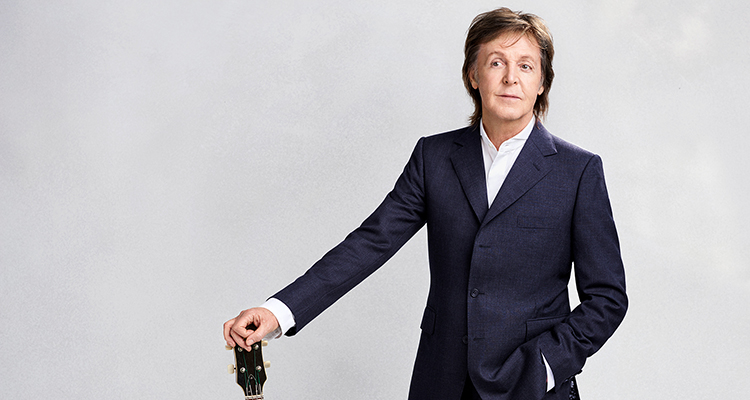
Published in paperback on 6 October, the edition includes a candid exchange with Morgan Neville, a foreword from McCartney and unseen items from his personal archive.
Paul McCartney's oral history of Wings reaches paperback on 6 October. Liveright publishes the edition in the United States and Canada; Penguin and Allen Lane issue it simultaneously in the United Kingdom. WINGS: The Story of a Band on the Run runs to 608 pages and adds new material to a work already established as a bestseller.The chief addition is a candid conversation between McCartney and Morgan Neville, the Academy Award-winning director of the documentary Paul McCartney: Man on the Run. Recorded around the launch of the film, the exchange appears alongside a foreword by McCartney. The book carries more than 150 photographs, many previously unseen, with memorabilia, diary entries and handwritten lyrics drawn from his personal archive. Together those elements turn the paperback into a fuller package rather than a straight reprint.
Built from the tape
The original edition was compiled from more than 42 hours of interviews. It follows Wings from 1971, the year after The Beatles disbanded. McCartney, the English musician who came to fame with that Liverpool group, turned next to a new line-up and a fresh run of records and gigs. The oral-history form keeps the emphasis on spoken recollection rather than a single authorial narrative, and the expanded paperback keeps that approach while opening space for the Neville conversation and the archive pages.
Those photographs and manuscripts matter because they sit outside the familiar promotional cycle. Diary lines and lyric sheets from McCartney's own holdings give the reader a direct route into the making of the music and the life of the band on the road, without turning the volume into a catalogue of private affairs. The subject remains the work: the stage, the studio, the songs, and the years after 1970 when a new band had to stand on its own.
Readers who know the Wings catalogue from the radio will recognise the span the book attempts to cover. The point of an oral history on this scale is not a short outline but the grain of how the story is told — who speaks, what is remembered, and what survives in the archive. The paperback leans into that promise.
Film and book in step
The documentary and the print project have travelled together. On 29 September McCartney discussed Paul McCartney: Man on the Run at a screening at the Academy Museum in Los Angeles, with Neville present and Judd Apatow hosting. The date fell only a week before the paperback's publication and underlined how the film and the enlarged book now frame the same stretch of career from adjacent angles — one on screen, one on the page.
For an audience that still lives with these records day by day, the paperback's appeal is practical. It gathers the long interview base, the new talk with Neville, the foreword and the visual archive in one volume timed for 6 October. Nothing further about additional editions or related releases has been set out beyond that date. What the conversation adds in concrete detail will be for readers to find on publication day; the outline is already clear.
Wings began when the most famous British band of the previous decade had already stopped. The book does not treat that chapter as a footnote. It sets out the years from 1971 as a story worth telling at length, in the voices of those who lived it, and the paperback keeps that aim while bringing McCartney and Neville into the same room on the page.