




 Sign in


Yusuf clears his name over false awards-night claims
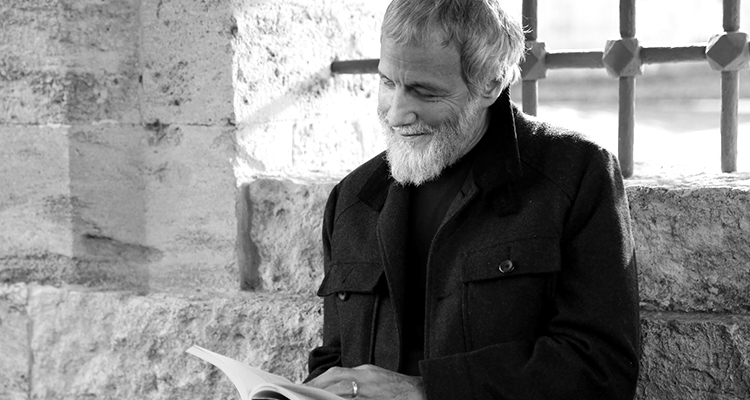
All damages from the 23 September 2026 High Court settlement are to be paid to Small Kindness; the defendants will meet legal costs. Islam says the outcome removes a damaging public caricature and safeguards his ability to work with women.
Yusuf Islam, who records as Yusuf / Cat Stevens, accepted substantial libel damages and an apology on or around 23 September 2026 from the World Entertainment News Network and the entertainment website contactmusic.com. The case was heard in London’s High Court.Articles published in March 2025 falsely claimed that, at an awards ceremony in Germany, he had refused to speak to or acknowledge women who were not veiled and would only communicate with them through an intermediary. His lawyer said the allegations caused considerable embarrassment and distress and created a false impression of his attitude to women. Islam has confirmed he has never had difficulties working with women. All damages are to be paid to his charity, Small Kindness, and the defendants agreed to pay legal costs.
From Tillerman to the long return
The English singer-songwriter has sold more than 100 million records and amassed more than two billion streams. His musical style has moved through folk, rock and pop and, later in his career, Islamic music. The early 1970s run still anchors the catalogue for most listeners: Mona Bone Jakon and Tea for the Tillerman in 1970, Teaser and the Firecat in 1971, Catch Bull at Four in 1972, then Foreigner in 1973. Those records fixed a voice and a writing style that later generations have kept in circulation through remasters, covers and soundtrack placements.
After two decades in which he performed only music that met strict religious standards, he returned to making secular music in 2006. Induction into the Rock and Roll Hall of Fame followed in 2014. The more recent stretch of the discography has been steady rather than nostalgic: Revolution (2021), King of a Land (2023), a cluster of 2025 albums — Family, Lovely City, Nature and Sing Out! — and the 2024 single Wild World, tied to the Venom soundtrack. The body of work is long enough that a single false news story could not rewrite it; it could, however, attach a damaging public caricature to the man behind it.
What the settlement puts right
Libel actions of this kind turn on reputation in the ordinary sense: how a working musician is seen by promoters, collaborators, festival bookers and an audience that still buys tickets and streams the records. The claim about the German awards night went to the heart of that standing. By accepting damages and an apology, and directing the money to Small Kindness rather than keeping it, Islam has closed the dispute on terms that match the charity work already associated with his name.
The confirmation that he has never had difficulties working with women is the simplest part of the record and the one that matters most for day-to-day craft. Recording sessions, stages and television appearances all depend on ordinary professional contact. A false impression to the contrary is not a private quarrel; it is an industrial one, which is why the High Court settlement and the payment of costs sit properly within the public music story rather than outside it.
Nothing in the outcome changes the catalogues already on the shelf. Tea for the Tillerman and Teaser and the Firecat remain the records most listeners reach for first; the post-2006 return and the 2020s releases remain the chapters that followed. What the week of 23 September 2026 has done is remove a published falsehood that sat between that body of work and the people who play it. The apology is on the record. The damages go to Small Kindness. The legal costs fall on the defendants. For an artist whose career has already spanned folk clubs, stadium stages, a long withdrawal and a careful return, that is the clean end of a short and damaging episode.